smart51
|
| posted on 3/2/08 at 08:10 PM |

|
|
how do I measure spring weight
I need suggestions of a locost way to measure spring stiffness. The donor bike I've got has a pair of coilovers that I'd like to use
'cos they're free.
I've tried pushing them against a pair of bathroom scales and I've found out that at the softest adjustment it takes 30 kg before they
start to move and 40kg at the hardest. 60kg moves them some way towards the bottom but I don't weigh a lot more than that and its hard to put
all your weight on a coilover and balance enough to measure the displacement with a ruler. Help.
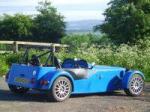
BTW, my project is a 3 wheeler is a real lightweight with 150kg on the rear wheel with me in it, so the donor springs may well be fine.
|
|
|
|
|
Mr Whippy
|
| posted on 3/2/08 at 08:13 PM |
|
|
can't you stick the spring under a car and lower it down on it, that will get it compressed
or you could see if anyone at the local weight watchers class could assist 
[Edited on 3/2/08 by Mr Whippy]
|
|
|
Aico
|
| posted on 3/2/08 at 08:17 PM |
|
|
First remove the spring. Then measure the height. Weight yourself and then stand on the spring. Measure the height again and do the math.
|
|
|
smart51
|
| posted on 3/2/08 at 08:21 PM |
|
|
quote:
Originally posted by Aico
First remove the spring. Then measure the height. Weight yourself and then stand on the spring. Measure the height again and do the math.
Nice idea, but the bike shock absorbers / springs are inseparable, unless you use an angle grinder. There are drawbacks with that plan.
I like the idea of jacking up a car though.
|
|
|
MikeCapon
|
| posted on 4/2/08 at 08:26 AM |
|
|
Have a look here,
http://efunda.com/DesignStandards/springs/calc_comp_designer.cfm
All spring rates can de calculated with the spring ID, wire dia and no of coils. The only exceptions are non parallel springs and progressive springs
(where the gaps between the coils are not equal).
|
|
|