Moorron
|
| posted on 20/2/07 at 10:55 PM |

|
|
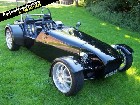
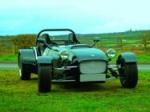
Well i cheated with the flash rate and LED indicators
bit of happy showing off.
After buying some bike front LED indicators i knew from here that the cars flash relay would think there was a bulb blown and would flash like it was
on an E tablet.
But the indicators came with plug in aditional resistors so i thought my job would be a straight swap around, but i found the resistors made no
difference to the quick flash rate, i checked the rear bulbs to see if they were 21 Watts and this was true so i was baffled. I then tried sticking
the original front indicators in aswell as the LED ones thinking i could bodge and hide the old ones inside the dash to fool the flasher relay. Did it
work? NO! the flash rate worked fine but the led indicators were so dim it wouldnt pass the MOT. 
I looked on the net to see if i could find a new 'electronic' flasher relay to solve the problem and could only find a 30 watt one which
is way too low if still using bulbs in the rear lights.
So what have i bodged? erm... inside the flasher relay is some small resistors, which control the flash rate before and after a bulb has blown so all
ive done is kept trying different value resistors to get the 'fast' flash rate to mimick the 'normall' flash rate.
Works very well, but the hazards are a little slow but i think it will pass its mot.
Anyone else done this? it was a standard ford 3 pin flasher relay.
This is the most 'locost' think ive done to date. about 2 pence (and 1 hour  ) )
Sorry about my spelling, im an engineer and only work in numbers.
|
|
|
|
|
esn163
|
| posted on 20/2/07 at 11:14 PM |
|
|
Hi,
Just fitted one of
these on the Indy to
get rid of bodged extra bulbs to correct flash rate. Works great but not very locost. Wish I'd thought about the resistors.
Ed
[Edited on 21/2/07 by esn163]
Indy Build Photos
** Build pages **
Photo Bucket Pics
|
|
|
TimC
|
| posted on 21/2/07 at 10:49 AM |
|
|
Just need the same success with the Turbo now then! 
|
|
|
hobbsy
|
| posted on 21/2/07 at 11:44 AM |
|
|
I did find a cheaper source of these on eBay, I'm considering putting LED indicators on the Fury, I put them on the Phoenix that I had and
worked well once I bought the flasher relays. IIRC it had a separate one for the normal indicators and another one for the hazards. The wiring was a
bit of a mess on that car TBH so wasn't immediately obvious!
I'll try and find the link and post it. Sooo much better than having whopping great power resistors with LED's.
|
|
|
Moorron
|
| posted on 21/2/07 at 01:14 PM |
|
|
quote:
Originally posted by esn163
Hi,
Just fitted one of
these on the Indy to
get rid of bodged extra bulbs to correct flash rate. Works great but not very locost. Wish I'd thought about the resistors.
Ed
[Edited on 21/2/07 by esn163]
This was the relay i found, but is only rated at 30 watts. so wasnt upto the job of powering the rear bulbs.
I tested it for about 30 minutes last night and it worked fine. I cant find any info on the chip thats on the pcb inside the relay, but im assuming
that is just a sensing chip (for the load) and then a simple set of transistors to control the timing of the pulses to the relay coil. This linked
also to the capicitor and resistor i messed with.
I suppose i could just replace the chip with one transistor and get one flash rate so my hazards flash at the same rate as the indicators.
Still it seems to be working fine.
Better get on with the turbo kit, thanks TIM for reminding me 
Sorry about my spelling, im an engineer and only work in numbers.
|
|
|